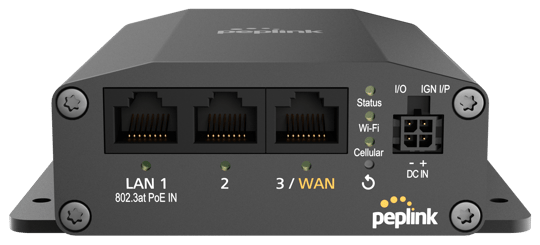
MAX BR1 Mini 5G
MAX-BR1-MINI-5GN-T-PRMThe same footprint on 5G. Built for mass deployment where the fleet has to stay identical across hundreds of sites.
5GWi-Fi 6Mass deploy
Full detail
 Authorized partner in Israel
Peplink bonds several imperfect connections - fiber, cable, cellular, satellite - into a single path that does not drop mid-session. SpotNet supplies, configures and supports the full Peplink range in Israel, from a single branch router to a bonded multi-orbit deployment.
The requirement is the same across these industries: the link has to hold when one path fails. What changes between them is the enclosure and the antenna.
SpeedFusion sends the same packet across several paths and reassembles it at the far end, so packet loss on one link is absorbed and a failover happens mid-call without dropping it.
Every router, access point and switch in the estate is managed from one cloud console - configuration, firmware, live monitoring and remote access, with no site visit and no separate management VPN.
AES-256 encrypted tunnels, VLAN segmentation, policy-based firewalling and remote access configured at the router - so a new branch does not become a new way into the corporate network.
SpotNet is also the authorized Starlink business reseller in Israel, so the satellite link enters the SD-WAN as a full path, with policy, monitoring and automatic failover.
A virtual SpeedFusion appliance running in Azure, on VMware or in your own data centre, terminating every tunnel from the field at a single point - from FusionHub Essential up to 4,000 peers.
The same configuration is pushed to a hundred sites from InControl, and the same team watches all of them. Adding a branch takes minutes.
Band variants supplied into Israel, with the part numbers you will see on the quotation. Anything not listed here can be ordered - these are the models we hold, configure and support day to day.
The dozen models that come up in most projects, across every part of the range. Start here if you are new to the range.
The same footprint on 5G. Built for mass deployment where the fleet has to stay identical across hundreds of sites.
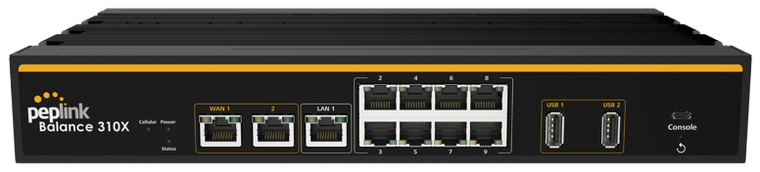
The workhorse branch router: three WAN paths, a FlexModule bay and enough throughput to sit in front of a whole floor.
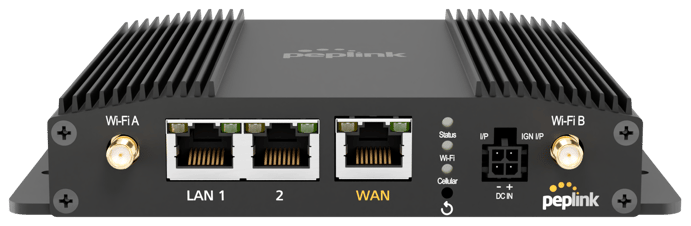
5G with dual SIM, dual Wi-Fi radios and an ignition-sensing power input - the standard fit for a commercial vehicle.
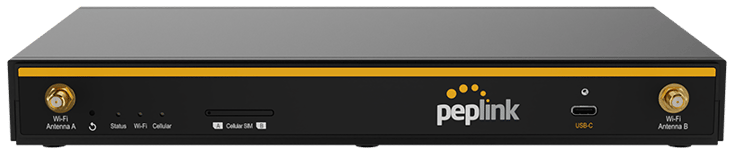
The entry point into the Peplink ecosystem for a small office - embedded 5G, five gigabit ports and full SpeedFusion support.
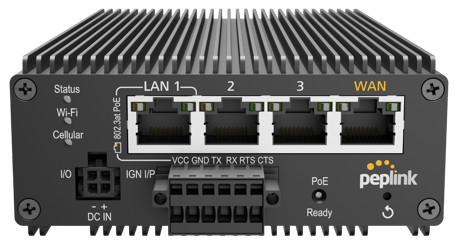
Built for public transport: 5G, Wi-Fi 6 for passengers, GPS and the power tolerance a vehicle electrical system demands.
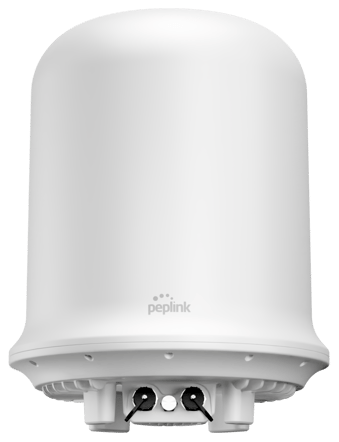
An IP68 router, modem and antenna in one dome, mounted outdoors where the signal is strongest.

Wi-Fi 6 for offices and branches, powered over Ethernet and configured from the cloud.
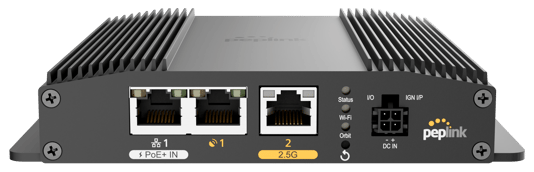
Multi-orbit router that bonds LEO satellite with cellular, so a site keeps a path when either one degrades.
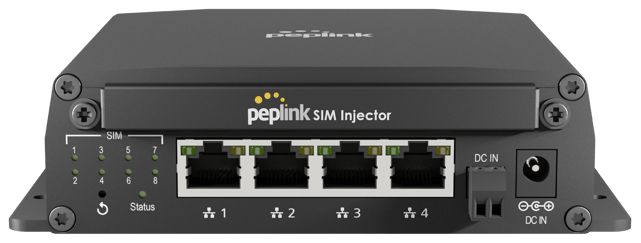
Eight SIMs held in the rack and served to routers over Ethernet, so a plan can be changed without reaching the router.
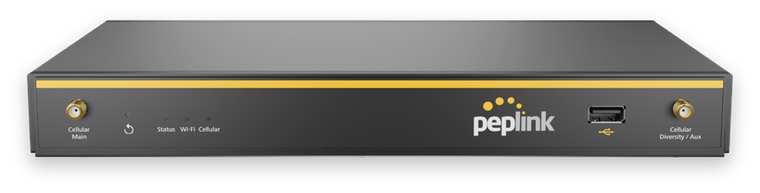
Two wired WANs plus embedded LTE, and a FlexModule Mini bay so the cellular side can be upgraded to 5G later without replacing the router.
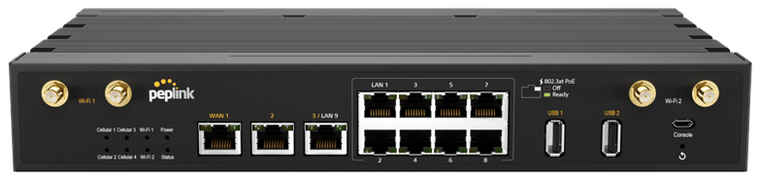
Four modems bonded into a single tunnel. The platform behind live broadcast, emergency command and mission-critical field work.
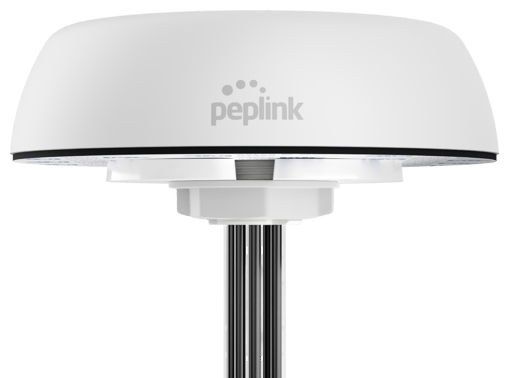
Four cellular elements, two Wi-Fi and GPS in one low-profile roof mount - the standard antenna for a vehicle running a Transit or BR2.
Multi-WAN routers for offices, branches and data centres. Bond fiber, cable and cellular into one link, then fail over between them without dropping a session.
The entry point into the Peplink ecosystem for a small office - embedded 5G, five gigabit ports and full SpeedFusion support.
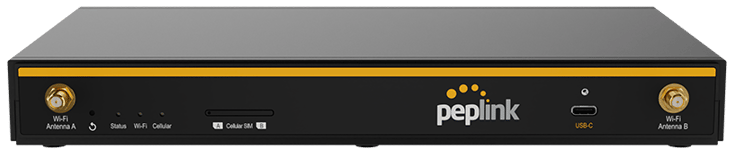
The same platform with more routing headroom and PoE out, for a branch that also feeds access points and cameras.
Two wired WANs plus embedded LTE, and a FlexModule Mini bay so the cellular side can be upgraded to 5G later without replacing the router.
The workhorse branch router: three WAN paths, a FlexModule bay and enough throughput to sit in front of a whole floor.
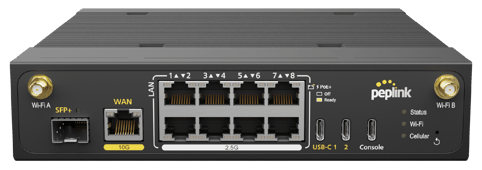
Rack-mountable branch router with integrated 5G, for a site that needs a wired primary and a cellular path on standby.
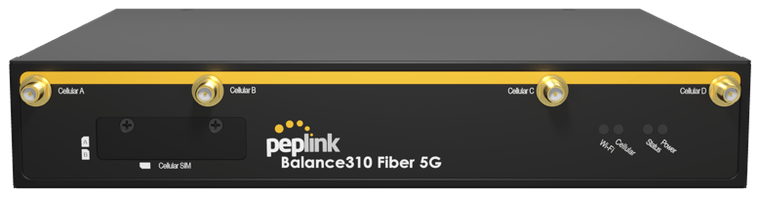
The same router with an SFP fiber WAN, for sites where the primary circuit arrives over fiber.

Modular chassis for a headquarters or a regional hub - populate it with 5G, LTE, SFP+ or PoE FlexModules as the site grows.
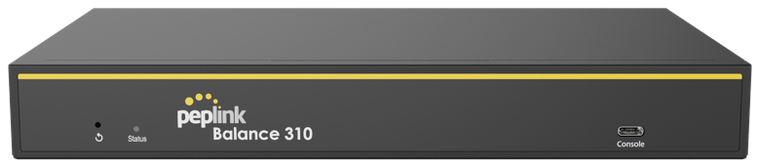
The wired-only version for a site with several fixed circuits and no need for a cellular path at all.

The modular chassis without the Pro storage tier - the same FlexModule Plus bays for a growing regional site.

Aggregation for a mid-sized estate, licensable up to two thousand SpeedFusion peers.

Aggregation-class appliance for terminating a large SpeedFusion estate centrally, with edge computing on board.

The top of the range - 40G interfaces and thousands of SpeedFusion peers, for a national or multi-country deployment.
Cellular routers for vehicles, temporary sites and anywhere a wired circuit is not an option. Every model bonds its modems into a single logical link.
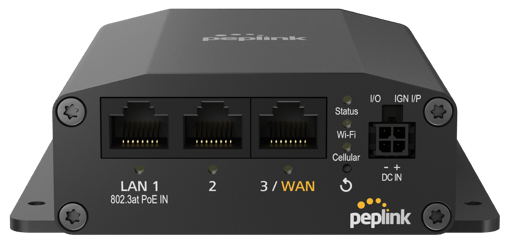
The most deployed router in the range. Palm sized, ruggedised, and the default answer for a kiosk, a lift or a remote cabinet.
The same footprint on 5G. Built for mass deployment where the fleet has to stay identical across hundreds of sites.
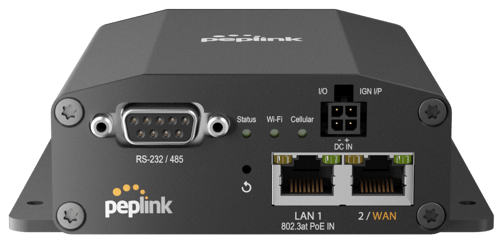
The same router without the Wi-Fi radio, at a lower price, for machine-to-machine work where nothing needs to associate wirelessly.
5G with dual SIM, dual Wi-Fi radios and an ignition-sensing power input - the standard fit for a commercial vehicle.
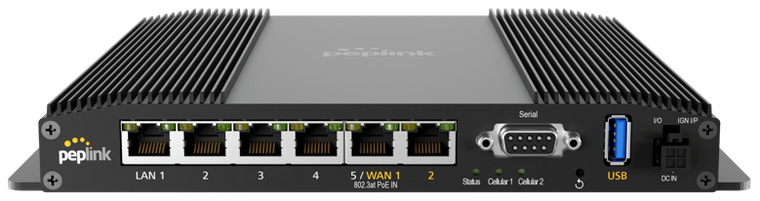
Two 5G modems in one chassis, bonded through SpeedFusion. Where a single carrier is not enough to guarantee the link.
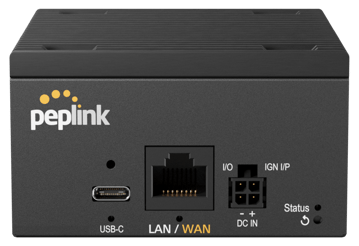
The smallest dual-modem router Peplink makes - two cellular paths in something you can hide behind a display.
Built for public transport: 5G, Wi-Fi 6 for passengers, GPS and the power tolerance a vehicle electrical system demands.
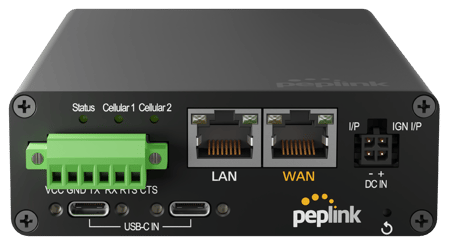
Two modems for a moving vehicle, so a hand-off between cells on one carrier never takes the connection with it.
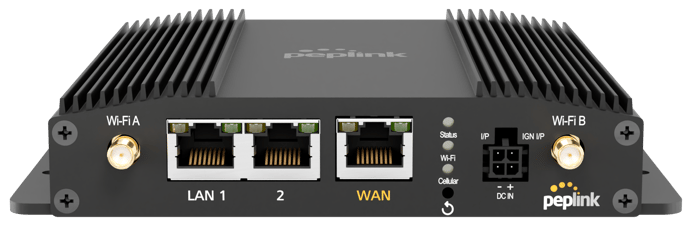
The Pro chassis on CAT-20 LTE rather than 5G - the same build and mounting where 5G coverage does not yet justify the cost.
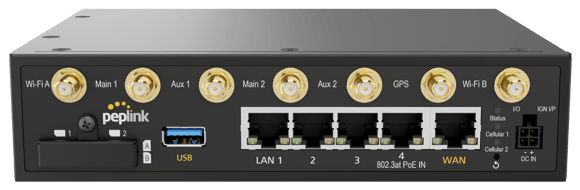
Two LTE modems in the standard BR chassis - dual carrier without moving up to the 5G Pro.
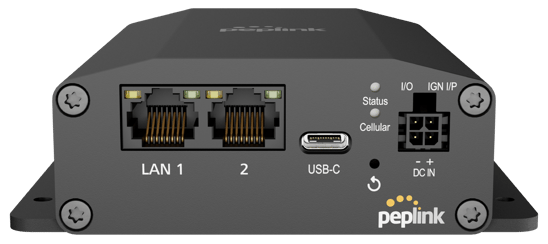
Puts a cellular path behind a router that has none, over a single Ethernet run.
Rack-mount, modular and built to be serviced - the mobile platform for a command vehicle or a broadcast truck.
Four modems bonded into a single tunnel. The platform behind live broadcast, emergency command and mission-critical field work.
Sealed enclosures and multi-orbit routers for the places connectivity is hardest to hold: rooftops, decks, quarries and open water.
An IP68 router, modem and antenna in one dome, mounted outdoors where the signal is strongest.
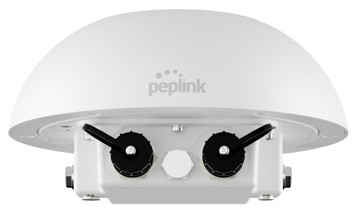
The maritime and industrial dome: 5G, integrated GPS and a sealed body that takes salt spray and direct sun.
Multi-orbit router that bonds LEO satellite with cellular, so a site keeps a path when either one degrades.
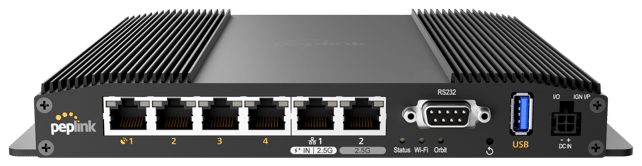
Four paths bonded with hot failover measured in fractions of a second - for command posts and disaster response.
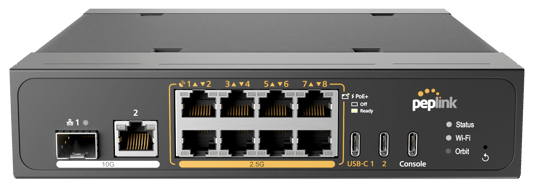
Eight bonded paths across multiple satellite constellations and carriers. The most resilient link Peplink builds.
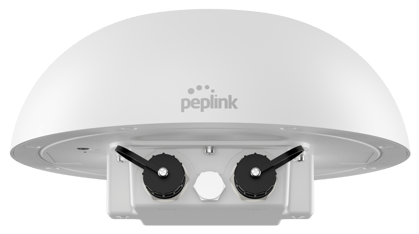
Two modems inside one sealed dome, bonded - for a rooftop or a mast where only one cable run is available.
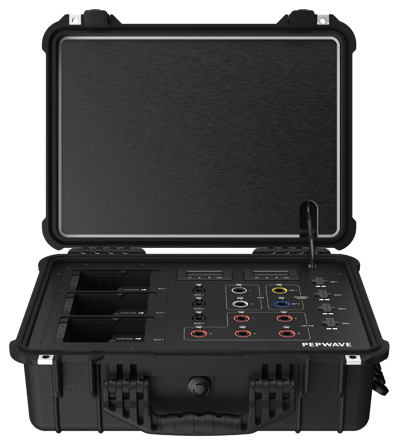
The outdoor chassis with edge computing on board, for processing that has to happen at the site itself.
A ruggedised chassis for permanent outdoor installation, built to be opened, serviced and closed again in the field.
Access points and PoE switches managed from the same InControl console as the routers - one estate, one login, one place to look when something is wrong.
Wi-Fi 6 for offices and branches, powered over Ethernet and configured from the cloud.

The volume model for wide indoor coverage where each unit serves a modest number of clients.
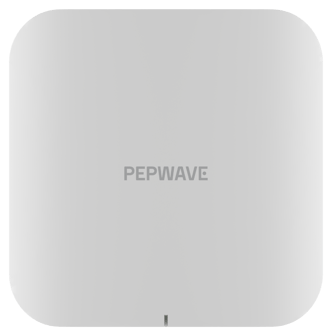
Higher client density and dual-band radios, for open-plan floors and meeting spaces that fill up at once.
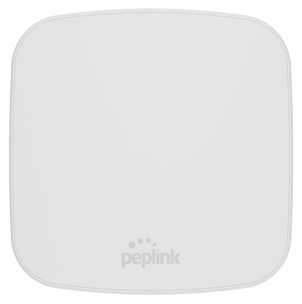
The smallest access point in the range, for a hotel room, a cabin or any space that mainly needs coverage.
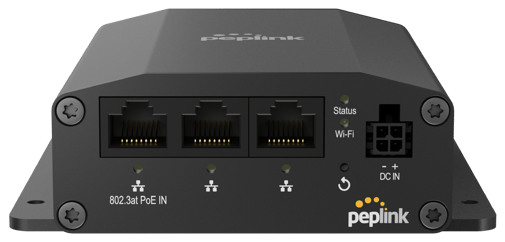
DIN-rail mountable and built for temperature swings - warehouses, plant rooms and vehicles.
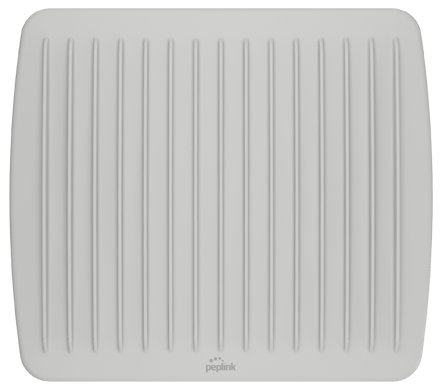
IP67 outdoor Wi-Fi 6 for yards, car parks and site perimeters, on the same management plane as everything indoors.

2.5G and 10G PoE switching with a rugged variant, managed alongside the routers in the same console.
The part of the deployment that directly affects link quality: matched antennas and centralised SIM management, specified as part of the router design.
Four cellular elements, two Wi-Fi and GPS in one low-profile roof mount - the standard antenna for a vehicle running a Transit or BR2.
Two cellular elements and two Wi-Fi in a compact roof mount, for vehicles running a single-modem router.
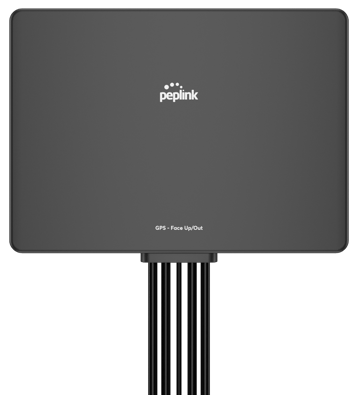
A flat, unobtrusive profile for vehicles and installations where a dome would be conspicuous or vulnerable.
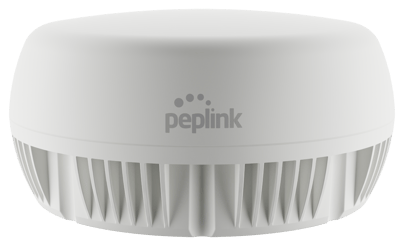
High-gain external antenna for fixed sites at the edge of coverage.
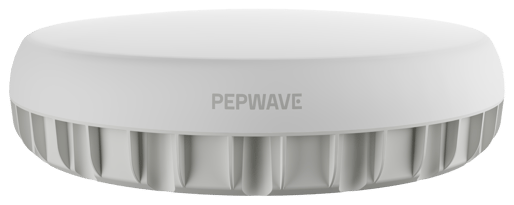
The dual-element version, for routers running two modems that each need their own directional path.
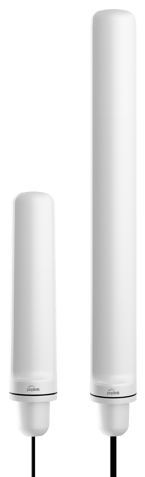
Marine-grade housing and mount for vessels and dockside installations exposed to salt and constant movement.
Eight SIMs held in the rack and served to routers over Ethernet, so a plan can be changed without reaching the router.
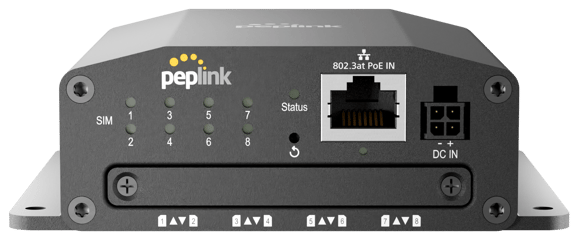
The same idea in a smaller enclosure, for a site with one router and a handful of carrier profiles to switch between.
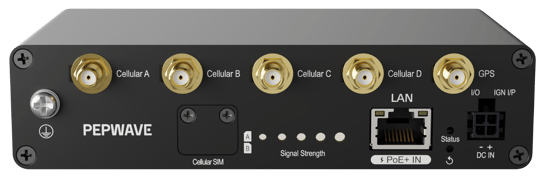
Adds a 5G path to a router that does not have one, without replacing equipment that is otherwise still fit for service.
Describe the site and the circuits available to it, and we will come back with a recommendation and a part number.
Product walkthroughs, field deployments and technical sessions from Peplink's own channel. Nothing loads until you press play.
Peplink hardware carries a support and feature plan rather than a perpetual licence. This is what each one covers, and what happens when it lapses.
Included with most current MAX and Balance models, typically for the first year. This is the plan that switches on the device's advanced capabilities.
The plan for models where SpeedFusion is not part of the package. It keeps the device updated, monitored and covered, without the bonding.
The device keeps routing and keeps working. What stops is cloud management, firmware updates, advance replacement - and on PrimeCare models, the bonding itself.